

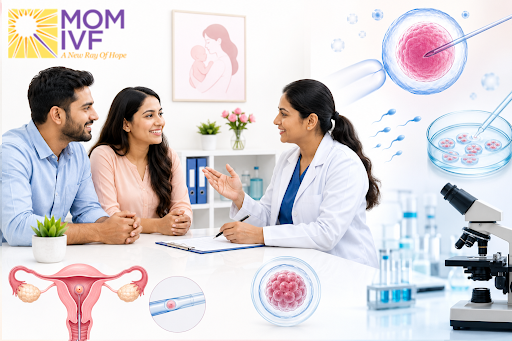
A Complete Guide to Fertility Treatment, Success Rates, and Choosing the Right Fertility Care
Starting a family is one of the most meaningful dreams for many couples. While some conceive naturally within a few months, others may experience unexpected challenges that make pregnancy difficult. These challenges can be emotionally overwhelming, leaving couples with many questions about their fertility, treatment options, and chances of success. The good news is that advances in reproductive medicine have made parenthood possible for millions of families through modern fertility treatments such as In Vitro Fertilization (IVF).
If you have been searching for reliable IVF Centers in Hyderabad, understanding the complete IVF journey is the first step toward making an informed decision. Fertility treatment is not simply about a medical procedure, it is a carefully planned process that combines expert diagnosis, advanced laboratory technology, personalized treatment plans, emotional support, and continuous monitoring to maximize the chances of a healthy pregnancy.
Every couple’s fertility journey is unique. Factors such as age, overall health, lifestyle, hormone levels, ovarian reserve, sperm quality, and underlying medical conditions all play important roles in determining the most suitable treatment approach. Rather than following a one-size-fits-all method, fertility specialists carefully evaluate each patient’s medical history before recommending the most appropriate treatment plan.
At MOM IVF, we understand that fertility treatment is both a medical and emotional journey. Our goal is to provide compassionate care, evidence-based treatments, and advanced reproductive technology that help couples move closer to their dream of becoming parents. Throughout this guide, you’ll learn everything you need to know about IVF, infertility, treatment procedures, success rates, preparation, and how to choose the right fertility center with confidence.
Understanding Infertility: Why Does It Happen?
Infertility is more common than many people realize. Medical experts generally define infertility as the inability to achieve pregnancy after one year of regular, unprotected intercourse for couples under the age of 35. For women older than 35, doctors usually recommend fertility evaluation after six months of trying because fertility naturally declines with age.
Infertility affects both men and women almost equally. In many situations, fertility issues may involve both partners, which is why comprehensive evaluation of both individuals is essential before beginning treatment. Identifying the exact cause allows fertility specialists to recommend the most effective solution instead of relying on assumptions.
Some couples experience infertility due to hormonal imbalances, while others may face structural abnormalities, genetic conditions, or unexplained infertility where no obvious cause is identified despite extensive testing. Modern fertility medicine has developed effective treatment strategies for almost every type of infertility, giving hope to couples who once believed pregnancy was impossible.
Instead of viewing infertility as a personal failure, it should be considered a medical condition that deserves proper diagnosis and expert treatment. With advancements in reproductive technology, many couples who struggled for years are now successfully building healthy families.
Common Causes of Female Infertility
Female fertility depends on several biological processes working together perfectly. The ovaries must release healthy eggs, hormones must regulate ovulation correctly, the fallopian tubes should remain open for fertilization, and the uterus must provide a healthy environment for embryo implantation. When any part of this process is disrupted, fertility challenges may occur.
Some of the most common causes include:
- Polycystic Ovary Syndrome (PCOS) affects hormone balance and ovulation, making it difficult for mature eggs to develop and release regularly. Women with PCOS may experience irregular menstrual cycles, hormonal changes, insulin resistance, and challenges in natural conception, although many successfully conceive with proper fertility treatment.
- Endometriosis occurs when tissue similar to the uterine lining grows outside the uterus. This condition may cause inflammation, pelvic pain, scar tissue formation, and damage to reproductive organs, reducing fertility over time if not appropriately managed.
- Blocked or damaged fallopian tubes prevent sperm from reaching the egg or stop the fertilized embryo from reaching the uterus. Tubal damage may result from infections, previous surgeries, pelvic inflammatory disease, or ectopic pregnancy.
- Reduced ovarian reserve refers to a decline in both the number and quality of eggs available for fertilization. Although this naturally occurs with increasing age, certain medical conditions, surgeries, chemotherapy, genetics, or autoimmune disorders may accelerate the process.
- Uterine abnormalities such as fibroids, uterine polyps, congenital abnormalities, or scar tissue may interfere with embryo implantation or increase the risk of miscarriage.
- Hormonal disorders involving the thyroid gland, pituitary gland, adrenal glands, or elevated prolactin levels may disrupt ovulation and reduce fertility if left untreated.
Common Causes of Male Infertility
Male fertility is equally important in achieving pregnancy. Healthy sperm production, normal sperm movement, and proper sperm structure all contribute significantly to successful fertilization. Fertility specialists always recommend evaluating both partners because male factors account for nearly half of infertility cases.
Several medical and lifestyle factors can affect male fertility:
- Low sperm count reduces the number of sperm available to fertilize the egg, decreasing the chances of natural conception.
- Poor sperm motility means sperm may struggle to swim efficiently toward the egg, making fertilization more difficult even when sperm count appears normal.
- Abnormal sperm morphology refers to irregular sperm shape, which may affect the sperm’s ability to penetrate and fertilize the egg successfully.
- Varicocele, an enlargement of veins within the scrotum, can increase testicular temperature and negatively impact sperm production and quality.
- Hormonal imbalances involving testosterone or other reproductive hormones may interfere with sperm production.
- Lifestyle factors including smoking, excessive alcohol consumption, obesity, chronic stress, poor nutrition, environmental toxin exposure, and inadequate sleep can gradually reduce male fertility.
Fortunately, many male infertility conditions respond well to lifestyle modifications, medications, surgical correction, or advanced reproductive techniques such as IVF combined with ICSI.
When Should You Visit a Fertility Specialist?
Many couples wait several years before seeking professional help because they assume pregnancy will eventually happen naturally. However, early evaluation often leads to earlier diagnosis and more effective treatment, improving the chances of successful conception.
You should consider consulting a fertility specialist if:
- You have been trying to conceive for more than one year without success despite regular, unprotected intercourse, as this may indicate an underlying fertility issue requiring medical evaluation.
- You are above 35 years of age and have been attempting pregnancy for six months without success because age-related decline in egg quality makes timely assessment particularly important.
- You have irregular menstrual cycles, absent periods, or extremely painful periods, which may indicate ovulation disorders, hormonal imbalances, or conditions such as PCOS or endometriosis.
- You have experienced multiple miscarriages, previous pelvic infections, reproductive surgeries, chemotherapy, or radiation therapy that could affect fertility.
- The male partner has a history of low sperm count, testicular surgery, hormonal disorders, erectile dysfunction, or previous fertility-related medical conditions.
Seeking timely care from experienced specialists at MOM IVF allows couples to receive comprehensive fertility evaluations, advanced diagnostic testing, and personalized treatment plans that improve the likelihood of successful conception while minimizing unnecessary delays.
What Is IVF and How Does It Work?
Among the many assisted reproductive technologies available today, In Vitro Fertilization has become one of the most successful treatments for couples facing infertility. IVF involves retrieving mature eggs from the ovaries, fertilizing them with healthy sperm in a highly specialized laboratory, and transferring the resulting embryo into the uterus for implantation.
Unlike natural conception, where fertilization occurs inside the fallopian tubes, IVF allows fertilization to take place under carefully controlled laboratory conditions using advanced embryology techniques. This controlled environment enables fertility specialists to closely monitor embryo development and select the healthiest embryos for transfer, increasing the likelihood of pregnancy.
For couples exploring IVF Centers in Hyderabad, understanding this process helps reduce anxiety and builds confidence before beginning treatment. IVF has helped millions of families around the world achieve successful pregnancies, and ongoing advancements continue to improve safety, precision, and success rates for patients of different age groups and fertility conditions.
Complete IVF Procedure: Step-by-Step Journey to Parenthood
Many couples feel anxious when they hear the word IVF because they assume it is a complicated or painful treatment. In reality, IVF is a carefully planned medical process that follows a series of well-defined steps. Every stage is closely monitored by fertility specialists to ensure the best possible outcome. Understanding each step helps couples feel more confident and prepared before beginning treatment.
When choosing among IVF Centers in Hyderabad, it is important to select a center that follows internationally accepted protocols, uses advanced laboratory technology, and provides personalized care throughout every phase of treatment.
Step 1: Initial Fertility Consultation and Comprehensive Evaluation
The IVF journey begins with a detailed consultation. During this visit, fertility specialists review your medical history, menstrual cycle, previous pregnancies, lifestyle habits, medications, and any previous fertility treatments. Both partners undergo a thorough evaluation because infertility can result from female factors, male factors, or a combination of both.
The initial consultation is much more than simply discussing IVF. It focuses on identifying the underlying reason for infertility so that the treatment plan is tailored specifically to your needs. A personalized approach increases the chances of success while avoiding unnecessary procedures.
Step 2: Fertility Testing Before Treatment
Before IVF begins, several investigations help doctors understand reproductive health and determine the most appropriate treatment protocol.
Some of the commonly recommended tests include:
- Blood tests are performed to evaluate hormone levels such as AMH, FSH, LH, Estradiol, Thyroid hormones, and Prolactin. These hormones provide valuable information about ovarian reserve, ovulation, and overall reproductive health.
- Ultrasound scans are used to examine the uterus and ovaries. Doctors assess the number of developing follicles, ovarian structure, uterine lining, and identify conditions such as fibroids, ovarian cysts, or polyps that may influence treatment.
- Semen analysis evaluates sperm count, motility, morphology, and overall sperm quality. Even when the male partner appears healthy, semen analysis remains an essential part of fertility evaluation.
- Infectious disease screening ensures the safety of both partners and the future pregnancy by checking for conditions that may require treatment before IVF.
- Additional investigations such as hysteroscopy, hysterosalpingography (HSG), genetic screening, or advanced reproductive tests may be recommended depending on individual medical history.
These investigations allow fertility specialists at MOM IVF to develop a treatment plan that addresses each couple’s unique fertility needs rather than relying on generalized treatment protocols.
Step 3: Controlled Ovarian Stimulation
In a natural menstrual cycle, a woman usually releases only one mature egg. IVF aims to increase the number of mature eggs available for fertilization by stimulating the ovaries using carefully prescribed fertility medications.
These medications encourage multiple follicles to grow simultaneously. Throughout this period, doctors closely monitor follicular development through ultrasound examinations and blood tests to ensure that the ovaries respond appropriately.
The medication dosage is individualized based on factors such as age, ovarian reserve, hormone levels, body weight, and previous treatment response. Careful monitoring minimizes risks while optimizing egg development.
Step 4: Trigger Injection
Once the follicles reach the desired size, a trigger injection is administered to complete the final maturation of the eggs.
Timing is extremely important because egg retrieval must occur before natural ovulation takes place. Fertility specialists schedule the egg retrieval procedure approximately 34 to 36 hours after the trigger injection to maximize the chances of collecting mature eggs.
Step 5: Egg Retrieval Procedure
Egg retrieval is a minimally invasive procedure performed under light anesthesia or sedation. Using ultrasound guidance, a fine needle is inserted through the vaginal wall to collect mature eggs from the ovarian follicles.
The procedure generally takes around 20 to 30 minutes, and most patients return home on the same day after a short recovery period.
Although mild cramping or slight discomfort may occur afterward, most women recover quickly and resume normal daily activities within a day or two.
Step 6: Sperm Collection and Fertilization
On the day of egg retrieval, the male partner provides a semen sample. Laboratory specialists carefully prepare and select the healthiest sperm for fertilization.
Depending on the couple’s fertility condition, fertilization may occur through:
- Conventional IVF, where healthy sperm and mature eggs are placed together in a specialized laboratory culture dish, allowing fertilization to occur naturally.
- Intracytoplasmic Sperm Injection (ICSI), where a single healthy sperm is directly injected into an individual egg. ICSI is especially beneficial for severe male infertility or previous fertilization failure.
Advanced laboratory techniques significantly improve fertilization rates and embryo quality.
Step 7: Embryo Development
After successful fertilization, embryos are carefully monitored inside highly controlled laboratory incubators for several days.
Embryologists observe:
- Cell division
- Growth pattern
- Embryo quality
- Blastocyst development
Only the healthiest embryos are selected for transfer. Modern embryology laboratories maintain highly controlled temperature, humidity, and air quality to provide the best possible environment for embryo development.
Step 8: Embryo Transfer
Embryo transfer is one of the simplest steps of the IVF process.
Using a thin, flexible catheter, the selected embryo is gently placed inside the uterus under ultrasound guidance. The procedure is painless for most women and usually does not require anesthesia.
Following embryo transfer, patients can generally return home after a short period of observation and continue their normal routine while following the doctor’s recommendations.
Step 9: Pregnancy Test
Approximately 10 to 14 days after embryo transfer, a blood pregnancy test measures the hormone beta-hCG to determine whether implantation has occurred successfully.
If the test is positive, further ultrasounds are scheduled to confirm the pregnancy and monitor fetal development.
Who Can Benefit from IVF Treatment?
IVF is recommended for a wide variety of fertility conditions. It is not limited to couples who have been trying to conceive for several years. Many patients benefit from IVF because it overcomes barriers that prevent natural fertilization.
IVF may be recommended for:
- Women with blocked or severely damaged fallopian tubes where natural fertilization cannot occur despite healthy eggs and sperm.
- Couples experiencing unexplained infertility after extensive investigations have failed to identify a clear cause, allowing fertilization and embryo development to occur under controlled laboratory conditions.
- Women with advanced endometriosis, where pelvic inflammation and scar tissue reduce the chances of natural conception despite otherwise healthy reproductive organs.
- Couples facing severe male infertility, including significantly reduced sperm count, poor sperm movement, or abnormal sperm shape, where advanced techniques like ICSI improve fertilization success.
- Women with diminished ovarian reserve who still produce viable eggs but require specialized stimulation protocols and close monitoring.
- Couples with repeated IUI failures who may achieve higher pregnancy rates through IVF.
- Individuals or couples requiring fertility preservation before cancer treatment or other medical therapies that may affect future fertility.
- Couples with inherited genetic disorders who may benefit from advanced embryo testing before pregnancy.
For many families, IVF provides hope when other treatments have not produced successful results.
Factors That Influence IVF Success Rates
Every couple naturally wants to know the likelihood of achieving pregnancy through IVF. While IVF has helped millions of families worldwide, success depends on several medical and lifestyle factors rather than one single element.
When evaluating IVF Centers in Hyderabad, couples should understand that honest success rates are based on patient-specific factors and individualized treatment plans.
Some of the most important factors affecting IVF success include:
- A woman’s age significantly influences both egg quantity and quality. Younger women generally have higher implantation and pregnancy rates because their eggs have lower rates of chromosomal abnormalities. As age increases, fertility naturally declines, making early evaluation and treatment beneficial.
- The quality of embryos plays a major role in successful implantation. Healthy embryo development depends on good-quality eggs, healthy sperm, and advanced embryology laboratory practices that support optimal growth before transfer.
- Overall reproductive health, including the condition of the uterus and endometrial lining, is essential. A receptive uterine environment increases the likelihood that an embryo will implant and continue developing into a healthy pregnancy.
- Lifestyle habits such as maintaining a healthy body weight, eating a balanced diet, exercising moderately, avoiding smoking and excessive alcohol, managing stress, and getting adequate sleep all contribute positively to fertility treatment outcomes.
- Timely diagnosis and personalized medical care also influence success. Beginning treatment before fertility declines further and following an individualized protocol based on each couple’s unique needs can improve the chances of achieving pregnancy.
At MOM IVF, treatment plans are designed after a comprehensive evaluation, allowing specialists to recommend the most appropriate approach for every patient rather than relying on standardized protocols.
Frequently Asked Questions (FAQs)
1. How do I choose the best IVF Centers in Hyderabad?
Choosing the right IVF center involves evaluating the experience of fertility specialists, success rates, advanced laboratory facilities, personalized treatment plans, and patient reviews. A center that offers transparent communication and comprehensive fertility care can provide better support throughout your journey.
2. Who is a suitable candidate for IVF treatment?
IVF is recommended for couples facing infertility due to blocked fallopian tubes, PCOS, endometriosis, male infertility, unexplained infertility, reduced ovarian reserve, or repeated IUI failures. A fertility specialist will assess your condition and recommend whether IVF is the right treatment for you.
3. What is the success rate of IVF treatment?
The success rate of IVF depends on several factors, including the woman’s age, egg and sperm quality, embryo development, and overall reproductive health. Following a personalized treatment plan and maintaining a healthy lifestyle can improve the chances of a successful pregnancy.
4. How long does a complete IVF cycle take?
A complete IVF cycle generally takes about 4 to 6 weeks, starting from ovarian stimulation to the pregnancy test after embryo transfer. The exact duration may vary depending on individual medical conditions and the treatment protocol recommended by your fertility specialist.
5. Why should I choose MOM IVF for fertility treatment?
MOM IVF offers personalized fertility care, experienced specialists, advanced reproductive technology, modern embryology laboratories, and compassionate patient support. Every treatment plan is customized to meet the unique needs of each couple, helping them take confident steps toward achieving their dream of parenthood.