
Introduction
Male infertility is more common than many people realize. In fact, male-related factors contribute to nearly 40–50% of infertility cases worldwide. Among these causes, enlarged veins in the scrotum, medically known as varicocele, stand out as the most common reversible cause of male infertility.
The encouraging news is that modern medical treatments can effectively address this condition. Many couples who struggled with infertility have successfully conceived after proper diagnosis and treatment. Today, advanced microsurgical procedures offered at leading Fertility Centres in Hyderabad, including MOM IVF, are helping men restore fertility and achieve their dream of parenthood.
This article explores why enlarged scrotal veins affect fertility, how doctors diagnose the condition, and how surgical correction can significantly improve reproductive outcomes.
Understanding Enlarged Veins in the Scrotum (Varicocele)
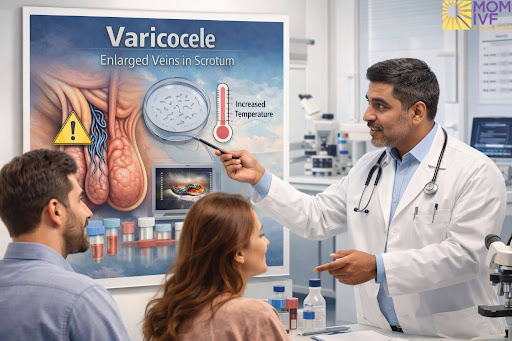
A varicocele occurs when the veins within the scrotum become enlarged due to poor blood flow. These veins are responsible for draining blood from the testicles. When the valves in these veins malfunction, blood pools and causes the veins to swell.
This condition is similar to varicose veins that appear in the legs, but it occurs in the scrotum.
How Common Is Varicocele?
Varicocele is surprisingly common:
- Around 15% of all men have varicocele
- Nearly 40% of men with infertility are diagnosed with it
- It is found in up to 80% of men with secondary infertility
Specialists at Fertility Centres in Hyderabad frequently identify varicocele during male infertility evaluations. Clinics such as MOM IVF use advanced diagnostic techniques to detect even mild cases that might otherwise go unnoticed.
Why Enlarged Veins Cause Male Infertility
The testes must remain slightly cooler than the body’s normal temperature to produce healthy sperm. Enlarged veins disrupt this delicate balance.
1. Increased Testicular Temperature
When blood pools in the enlarged veins, it raises the temperature around the testicles. Higher temperatures can damage sperm production and reduce sperm quality.
2. Reduced Oxygen Supply
Poor blood circulation can deprive the testes of sufficient oxygen and nutrients. This affects sperm formation and overall reproductive health.
3. Accumulation of Toxins
Improper blood flow can lead to the buildup of harmful metabolic by-products that damage sperm cells.
4. Hormonal Imbalance
Varicocele may also interfere with testosterone production, which plays a crucial role in sperm development.
Doctors at Fertility Centres in Hyderabad emphasize that these combined effects significantly impact sperm count, motility, and morphology. Early evaluation at experienced clinics like MOM IVF can help identify the problem before it worsens.
Signs and Symptoms of Varicocele
Many men with varicocele experience no obvious symptoms, which is why the condition often goes undiagnosed until couples seek fertility treatment.
However, some possible signs include:
- A dull ache or discomfort in the scrotum
- Visible or enlarged veins in the scrotum
- A feeling of heaviness in the testicles
- Shrinking of one testicle
- Reduced sperm quality during fertility testing
Men experiencing these symptoms are encouraged to consult specialists at Fertility Centres in Hyderabad for a detailed evaluation. At MOM IVF, experienced fertility experts perform thorough assessments to determine whether varicocele is affecting fertility.
How Varicocele Is Diagnosed
Accurate diagnosis is essential for determining the right treatment approach.
Physical Examination
Doctors examine the scrotum while the patient is standing and sometimes during a gentle straining maneuver to detect enlarged veins.
Scrotal Ultrasound
An ultrasound scan provides a clear image of the veins and measures blood flow. It helps confirm the presence and severity of varicocele.
Semen Analysis
A semen test evaluates:
- Sperm count
- Sperm movement (motility)
- Sperm shape (morphology)
Leading Fertility Centres in Hyderabad, including MOM IVF, combine these tests to develop a personalized treatment plan for each patient.
How Surgery Fixes the Problem
The most effective treatment for infertility caused by varicocele is varicocelectomy, a surgical procedure that repairs the enlarged veins.
What Is Varicocelectomy?
Varicocelectomy involves blocking or sealing the abnormal veins so blood can flow through healthier pathways.
This procedure restores normal blood circulation and reduces the temperature around the testicles, improving sperm production.
Types of Varicocele Surgery
Several surgical techniques are used:
- Microsurgical Varicocelectomy
This is the most advanced and commonly recommended method. Surgeons use a microscope to precisely identify and repair the affected veins. - Laparoscopic Surgery
Small incisions and specialized instruments are used to correct the condition. - Percutaneous Embolization
A minimally invasive procedure that blocks the enlarged veins using coils or special materials.
Experienced specialists at Fertility Centres in Hyderabad often recommend microsurgical techniques for the best outcomes. At MOM IVF, highly trained surgeons perform these procedures with precision and safety.
Benefits of Varicocele Surgery
Surgical correction of varicocele can lead to significant improvements in fertility.
Improved Sperm Count
Many men experience a substantial increase in sperm count within three to six months after surgery.
Better Sperm Motility
Sperm movement improves, increasing the chances of fertilizing an egg.
Enhanced Sperm Quality
Healthy sperm morphology contributes to higher pregnancy success rates.
Higher Natural Pregnancy Rates
Many couples conceive naturally after treatment.
Doctors at Fertility Centres in Hyderabad report strong success rates when varicocele is treated early. Patients treated at MOM IVF often see noticeable improvements in semen parameters after surgery.
Recovery After Varicocele Surgery
Recovery from varicocelectomy is typically quick and uncomplicated.
What to Expect After Surgery
- Mild discomfort for a few days
- Return to normal activities within a week
- Avoid heavy exercise for two weeks
- Follow-up semen analysis after three months
Leading Fertility Centres in Hyderabad provide detailed post-surgical care plans to ensure optimal recovery. At MOM IVF, doctors closely monitor patients to track improvements in sperm health.
When to Seek Treatment
Men should consider medical evaluation if:
- They have been trying to conceive for over one year without success
- A semen analysis shows abnormal results
- They experience scrotal discomfort or swelling
Consulting specialists at Fertility Centres in Hyderabad can help identify the cause of infertility and provide effective treatment options. Clinics like MOM IVF offer comprehensive fertility assessments for couples.
The Role of Specialized Fertility Care
Male infertility requires expert diagnosis and treatment. Advanced reproductive centers offer integrated care, including:
- Male fertility testing
- Surgical correction of varicocele
- Assisted reproductive techniques such as IVF and ICSI
Many couples rely on Fertility Centres in Hyderabad for world-class fertility care. Facilities such as MOM IVF combine cutting-edge technology with experienced specialists to improve success rates.
FAQs
1. Can varicocele cause permanent infertility?
In many cases, infertility caused by varicocele is reversible. Proper treatment, especially surgery, can significantly improve sperm health.
2. How successful is varicocele surgery?
Studies show that 60–80% of men experience improved sperm parameters after surgery, increasing the chances of natural conception.
3. Is varicocele surgery painful?
The procedure is usually performed under anesthesia, and discomfort afterward is minimal.
4. How long does it take to see improvement in fertility after surgery?
Sperm production takes about three months, so improvements are usually seen between 3–6 months after surgery.
5. Do all men with varicocele need surgery?
Not necessarily. Surgery is typically recommended when varicocele affects fertility or causes symptoms.
6. Where can I get treatment for varicocele in Hyderabad?
Many reputable Fertility Centres in Hyderabad, including MOM IVF, provide expert diagnosis and treatment for male infertility.
Conclusion
Enlarged veins in the scrotum, or varicocele, remain the leading reversible cause of male infertility. Although the condition can significantly affect sperm health, timely diagnosis and surgical treatment can restore fertility in many men.
With the help of advanced medical technology and skilled specialists, couples now have more hope than ever before. Leading Fertility Centres in Hyderabad, such as MOM IVF, offer comprehensive fertility care—from diagnosis to treatment and assisted reproduction.
If you or your partner are struggling to conceive, seeking guidance from experienced professionals can make a life-changing difference. Early intervention, expert care, and the right treatment plan can bring you one step closer to achieving your dream of starting a family.